
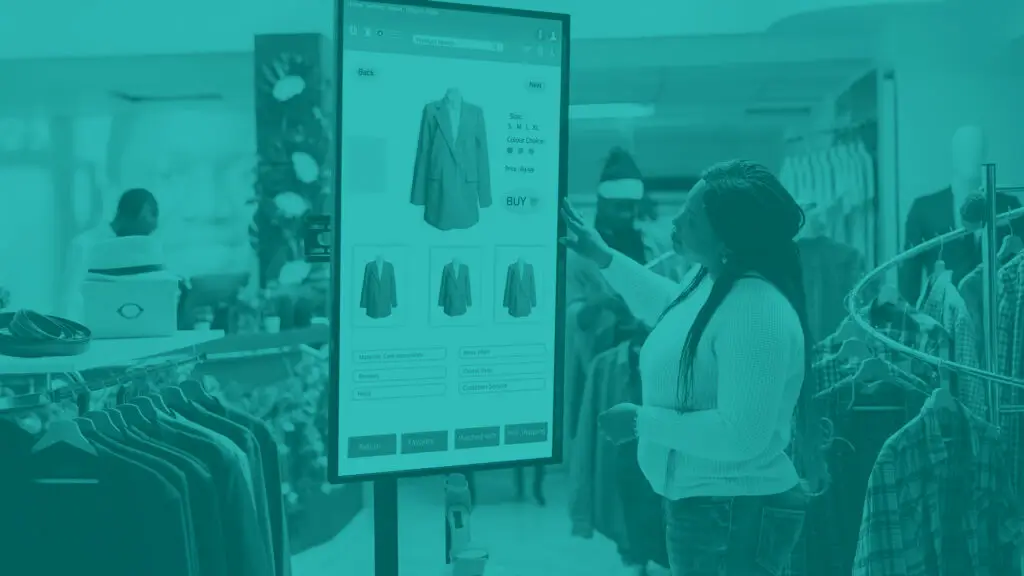
Retailers have more shopper data than ever, but the value of that data depends on how well it improves the actual customer experience. Reports, dashboards, loyalty activity, and point-of-sale behavior can all provide meaningful insight, but the stronger opportunity is translating those signals into better decisions inside the store.
For grocery retailers, CPG brands, and retail media teams, the in-store experience still plays a defining role in how shoppers discover products, make substitutions, respond to promotions, and build loyalty over time. Digital behavior may influence the path to purchase, but the physical store remains one of the most important places where that intent becomes action.
This is where data-driven in-store strategy becomes especially useful. Customer data can help retailers understand what shoppers are buying, what they are comparing, when they are most responsive to offers, and where friction may be affecting the shopping experience. Loyalty programs, retail media engagement, online browsing behavior, POS data, and promotional response patterns can all contribute to a more complete view of what shoppers need and how they move through a category.
When those signals are interpreted thoughtfully, personalization becomes more practical. A shopper who regularly purchases better-for-you snacks may respond to a different offer than someone buying value-sized family staples. A household exploring pet products may be entering a new routine. A customer who frequently responds to seasonal promotions may be more receptive to timely reminders or adjacent product recommendations.
The purpose of this data is not simply to identify shoppers more precisely. The purpose is to make the experience feel more useful. In-store personalization can take many forms. It may show up through targeted offers, more relevant product recommendations, improved signage, smarter merchandising, or associate support that reflects what customers are likely to need. In grocery and CPG environments, even small improvements in relevance can influence how easily shoppers find products, understand value, and feel confident making a purchase.
Store layout and product placement also become stronger when informed by behavioral insight. Data can help retailers understand which categories are frequently purchased together, where shoppers may experience decision fatigue, and which promotions are driving movement versus simply occupying space. That information can guide merchandising decisions, endcap planning, inventory focus, and the relationship between digital campaigns and in-store visibility.
This connection between digital signals and physical behavior matters because shoppers rarely separate the two experiences in their own minds.
A customer may see an offer through a retail media campaign, add a product to a list, compare options online, and then make the final decision in-store. When the in-store experience reflects that journey, the shopper feels more supported. When it does not, the retailer risks losing the momentum that earlier marketing activity helped create.
Measurement plays an important role in strengthening this process. Retailers and brands should be looking at more than whether a campaign generated impressions or clicks. The more useful question is whether those interactions contributed to store visits, basket growth, category movement, repeat purchase behavior, or measurable sales lift.
Data-driven in-store experiences do not need to feel overly technical or intrusive to be effective. In many cases, the best applications are practical and subtle. A better-timed offer, a clearer product recommendation, a more useful display, or a smarter product placement can all make shopping feel easier without asking the customer to think about the technology behind it. They will connect shopper behavior to merchandising, retail media, loyalty, and measurement in ways that make the store experience more relevant and easier to navigate.
Data does not improve the in-store experience on its own. It becomes valuable when it helps retailers understand what shoppers are trying to accomplish and remove friction from the path to purchase. That is where better experiences, stronger loyalty, and more measurable sales outcomes begin to work together.